General information
PSHE & Citizenship Education
At our school, PSHE (Personal, Social, Health and Economic) education and Citizenship education work together to support students’ personal development, wellbeing, and understanding of the world around them. These subjects help students become confident, healthy, responsible young people who are ready for life in modern Britain.
PSHE includes statutory Relationships and Sex Education (RSE), and Health Education, alongside wider learning such as economic wellbeing, and personal safety. Citizenship education helps pupils understand how society works and how they can play an active role within it.
What our Students Learn in PSHE
Our PSHE curriculum is taught across Key Stages 3 and 4 and organised into key themes.
Relationships
Students learn how to build positive, healthy relationships with friends, family, and others. This includes:
- Respectful relationships and equality
- Consent and personal boundaries
- Online safety and managing digital behaviour
- Recognising unhealthy or harmful behaviours
- Communication skills and managing conflict
- Statutory RSE, including age‑appropriate learning about sexual health
This helps students understand their rights, responsibilities, and how to seek help if they ever feel unsafe.
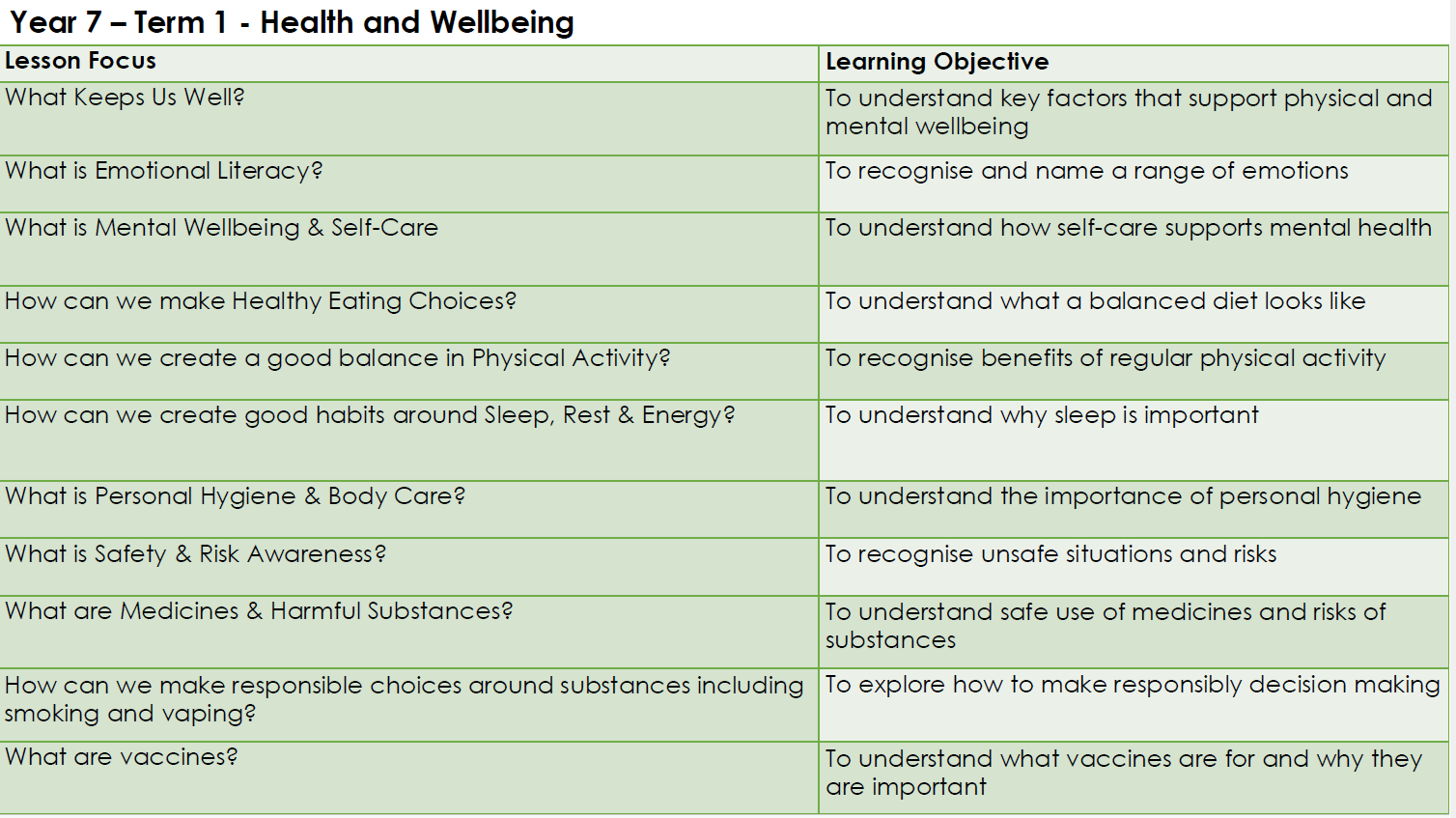
Health and Wellbeing
Students learn how to look after their physical and mental health. Topics include:
- Emotional wellbeing and resilience
- Managing risks, including drugs, alcohol, and vaping
- Healthy lifestyles, such as nutrition, exercise, and sleep
- Puberty and body changes
- Knowing how and where to access support
This equips students with lifelong skills to make positive choices and manage challenges.
Living in the Wider World
This theme prepares students for life beyond school. They learn about:
- Economic wellbeing and financial literacy
- Careers, employability skills, and future pathways
- Rights and responsibilities in society
- Respect for diversity and community
- Digital literacy and evaluating online information
This helps students understand how society works and how they can contribute positively to their communities.
Citizenship Education
Citizenship education helps pupils understand their role in society and prepares them to take part in democratic life. It includes:
- Democracy and government - Students learn how the UK’s political system works, how laws are made, and how citizens can influence change.
- Law, justice, and human rights - Students explore the justice system, equality, freedom of expression, and how rights are protected.
- Identity and diversity - Students learn about the diverse nature of UK society and the importance of respect and inclusion.
- Active citizenship - Students take part in social action, volunteering, or community projects to understand how they can make a difference.
- Critical thinking and media literacy - Students learn to evaluate information, recognise bias, and engage responsibly with news and digital content.
Citizenship supports students to become informed, thoughtful, and responsible members of society.
Curriculum Lead
Mrs E Hennessy (PSHE and Citizenship Lead for KS3&4)
Mr A Leonard (KS5 Life Choices Co-ordinator)
Curriculum
Citizenship is a statutory subject in the National Curriculum for Key Stage 3 (ages 11-14) and Key Stage 4 (ages 14-16) in England. The subject aims to equip students with the knowledge and skills necessary to take a full, active and responsible part in democratic society. At Sandbach High School, students from Key Stage 3 and 4 study Citizenship on Wednesday mornings in Term 1.
Our Core Aims - By the end of secondary education, we seek to ensure that students:
-
- Acquire a sound understanding of how the United Kingdom is governed, including its political system, law, rights and responsibilities.
- Understand the role and operation of democratic institutions (for example Parliament, elections, political parties) and how citizens can engage with them.
- Develop awareness of social justice, human rights, and the legal and justice systems in the UK.
- Gain the ability to think critically: analyse evidence, debate issues, evaluate different viewpoints, and form reasoned arguments and conclusions.
- Understand financial literacy – how to manage money, plan for the future, understand expenditure, credit, debt, savings etc.
- Participate in responsible activity both within school and in the wider community, including volunteering and other forms of civic or democratic action.
Key Features of the PSHE Curriculum
Spiral progression: Learning is revisited, reinforced and extended each year, building on prior knowledge and skills.
Statutory and non-statutory content: While Health Education, Relationships Education/RSE are required by law, topics like careers, economic wellbeing and certain aspects of living safely are non-statutory but integral to a full PSHE programme.
Flexibility and relevance: Schools are expected to tailor content to their pupils’ development, experiences, needs, previous learning and local context.
Managing risk and help-seeking: Pupils are supported to recognise risks, resist pressures, make informed decisions, and know when and how to seek help.
Assessment: Though PSHE encompasses many areas, effective programmes include opportunities for pupils to reflect on their learning, for teachers to assess progress, and for the school to evaluate impact.
Key Stage 3
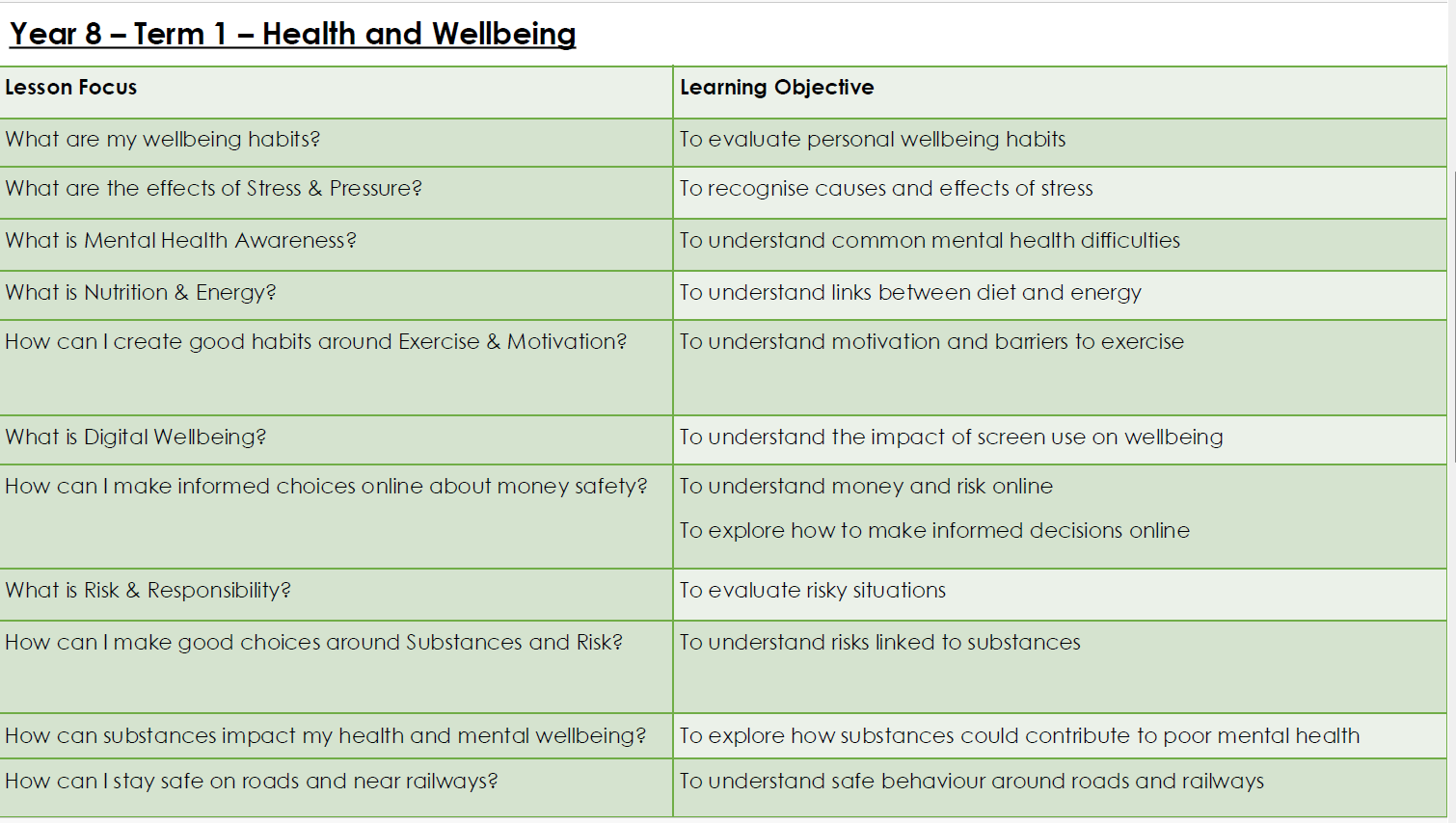
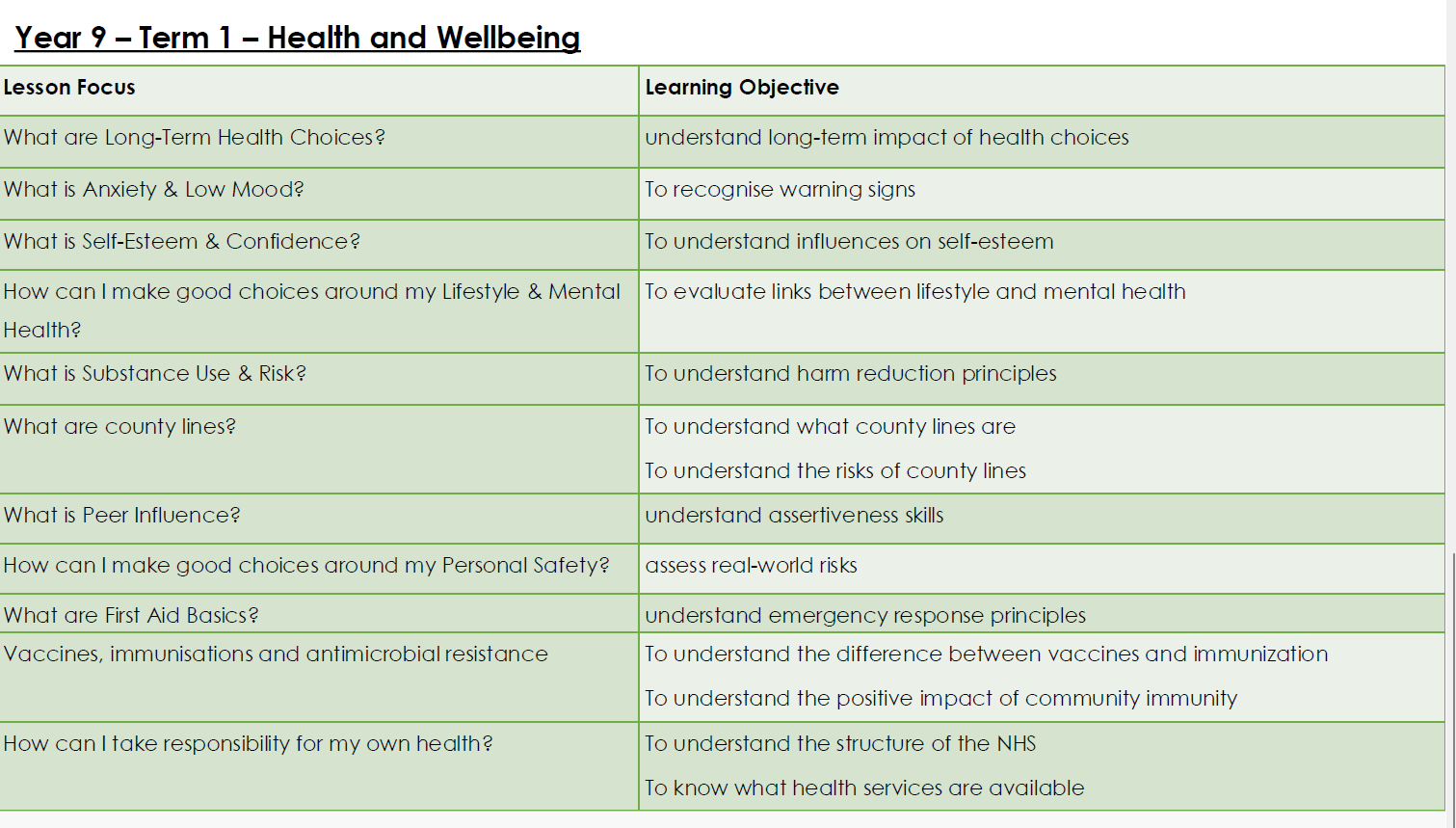
Key Stage 4
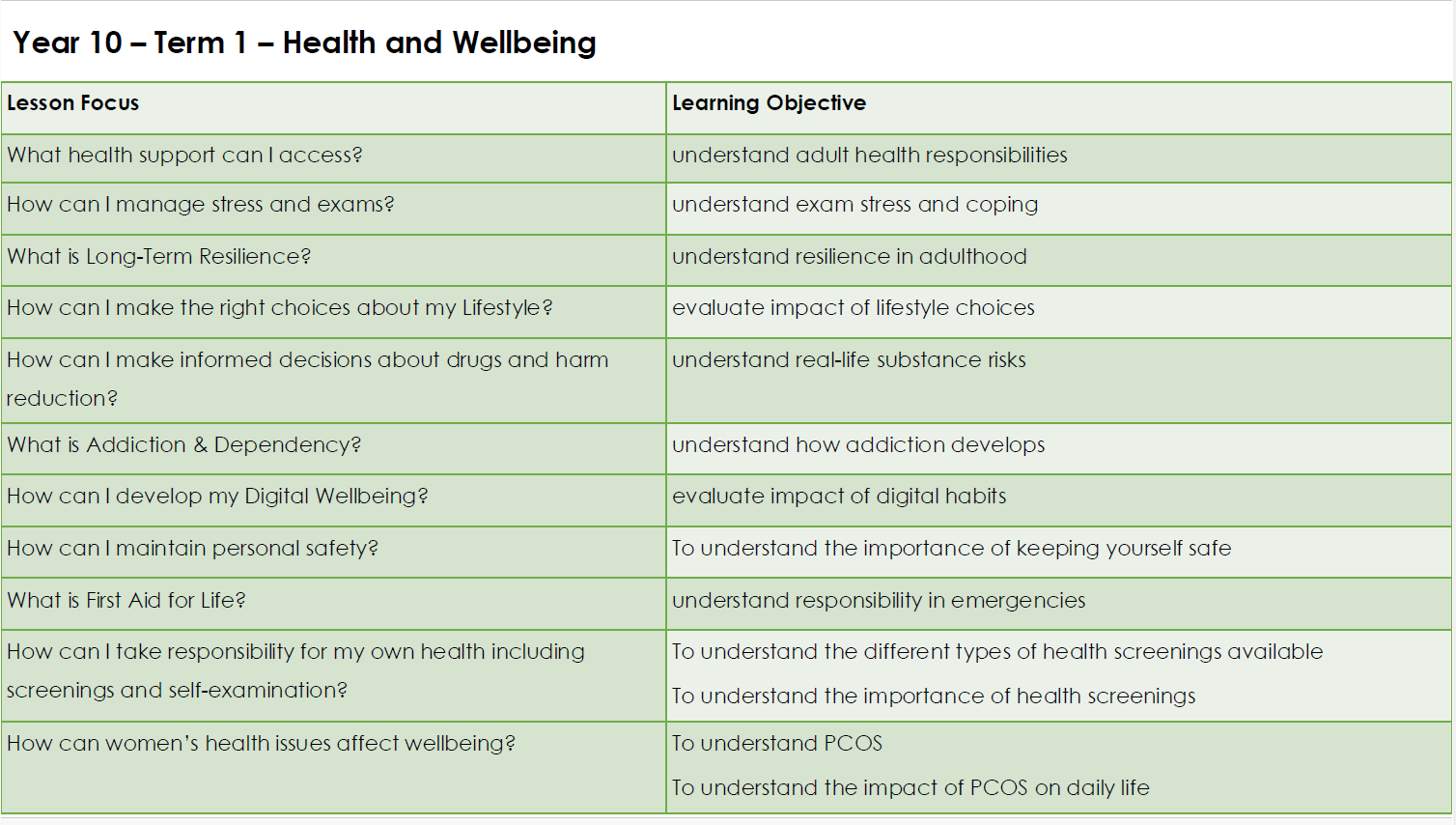
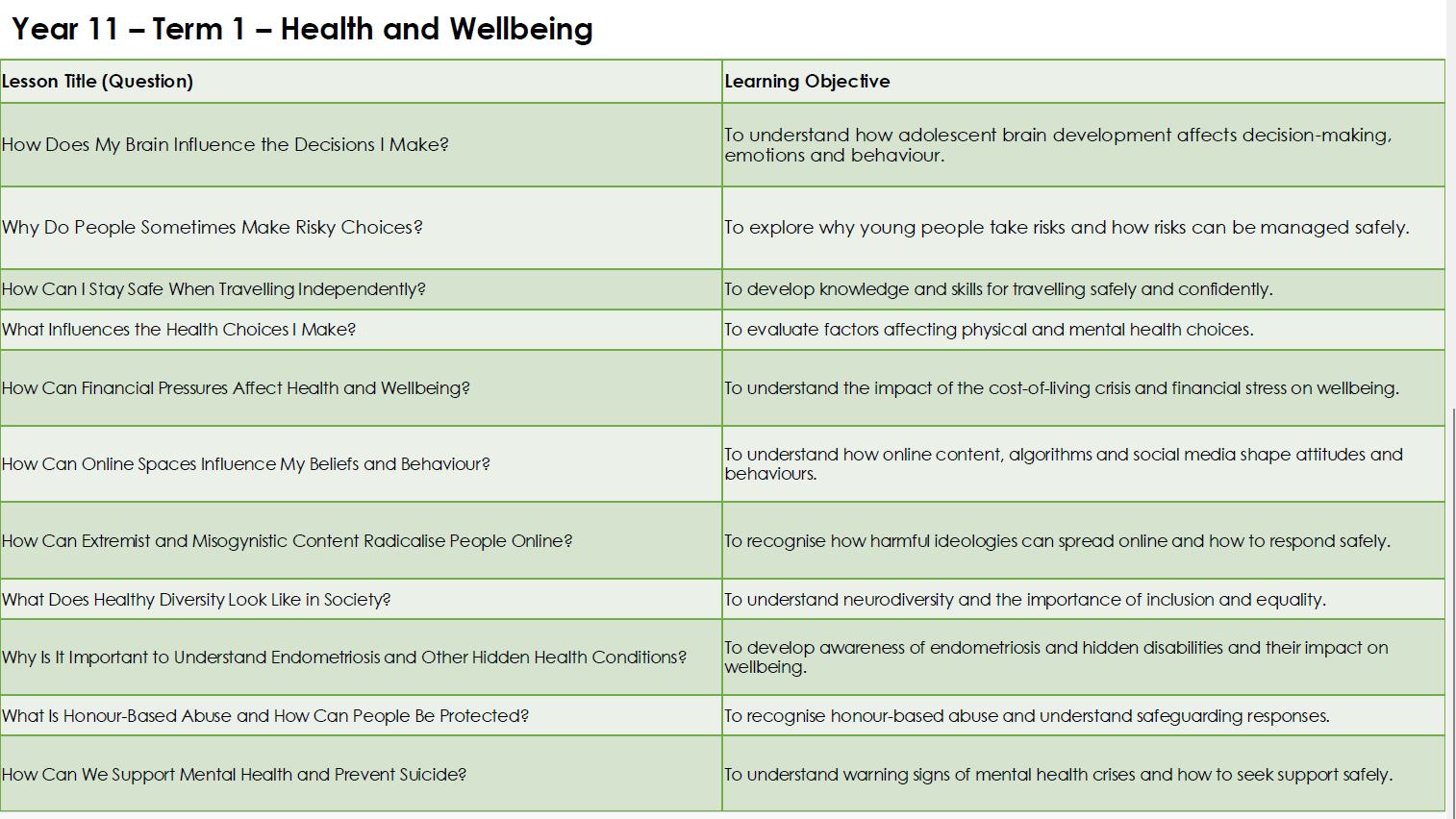
Wider Curriculum
Students can attend our:
Amnesty International group (Tuesday lunchtimes)
Anti Racism group (Tuesday lunchtimes)
Feminism group (Wednesday lunchtimes)
Peace Be Upon Him (Wednesday lunchtimes)
Rainbows club (Friday lunchtimes)
British Values
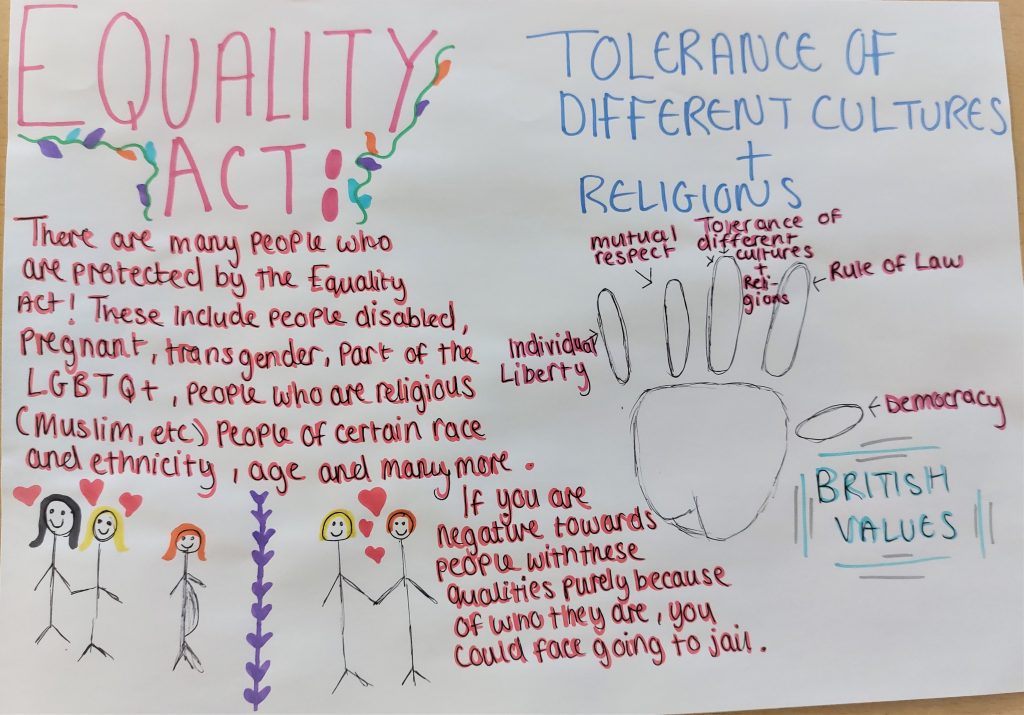
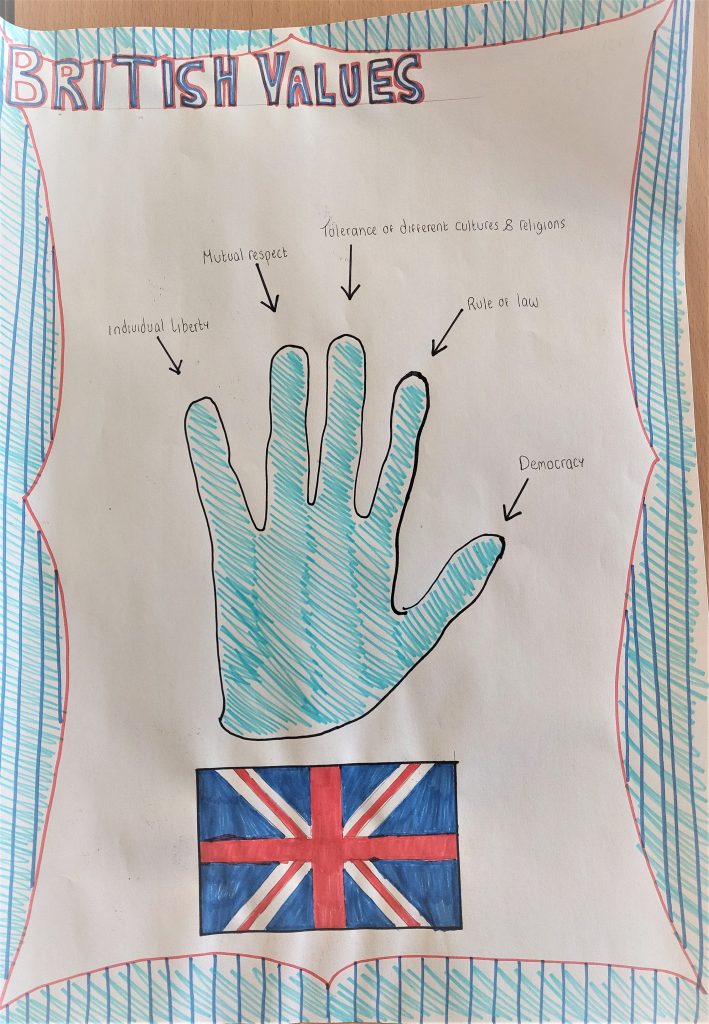
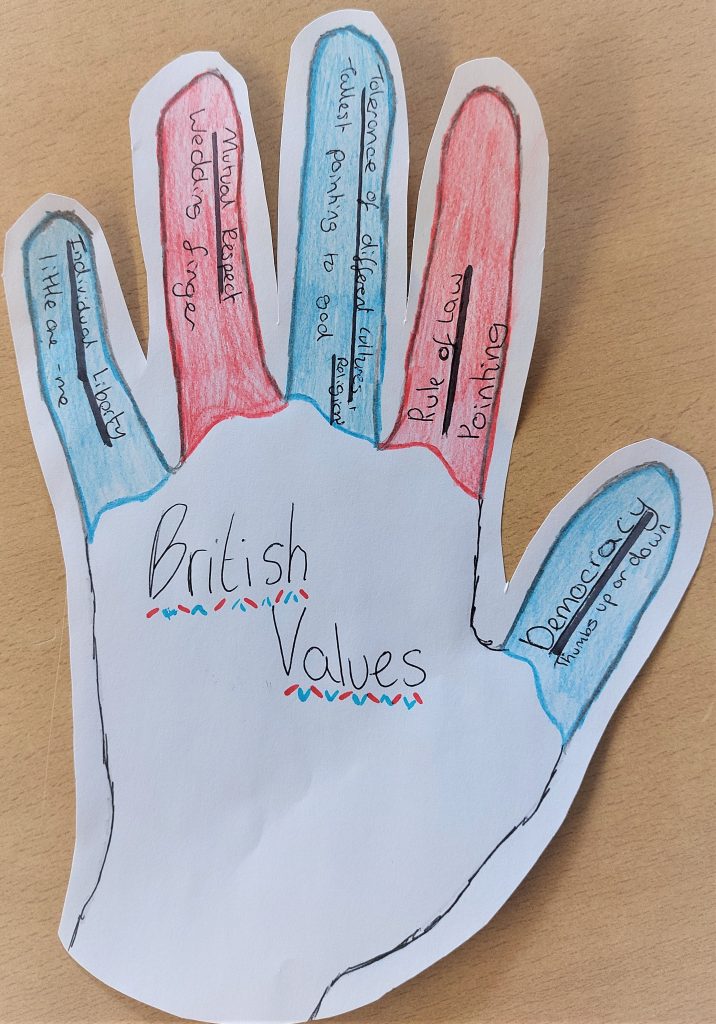
'We want every school to promote the basic British values of democracy, the rule of law, individual liberty, and mutual respect and tolerance for those of different faiths and beliefs. This ensures young people understand the importance of respect and leave school fully prepared for life in modern Britain' Lord Nash.
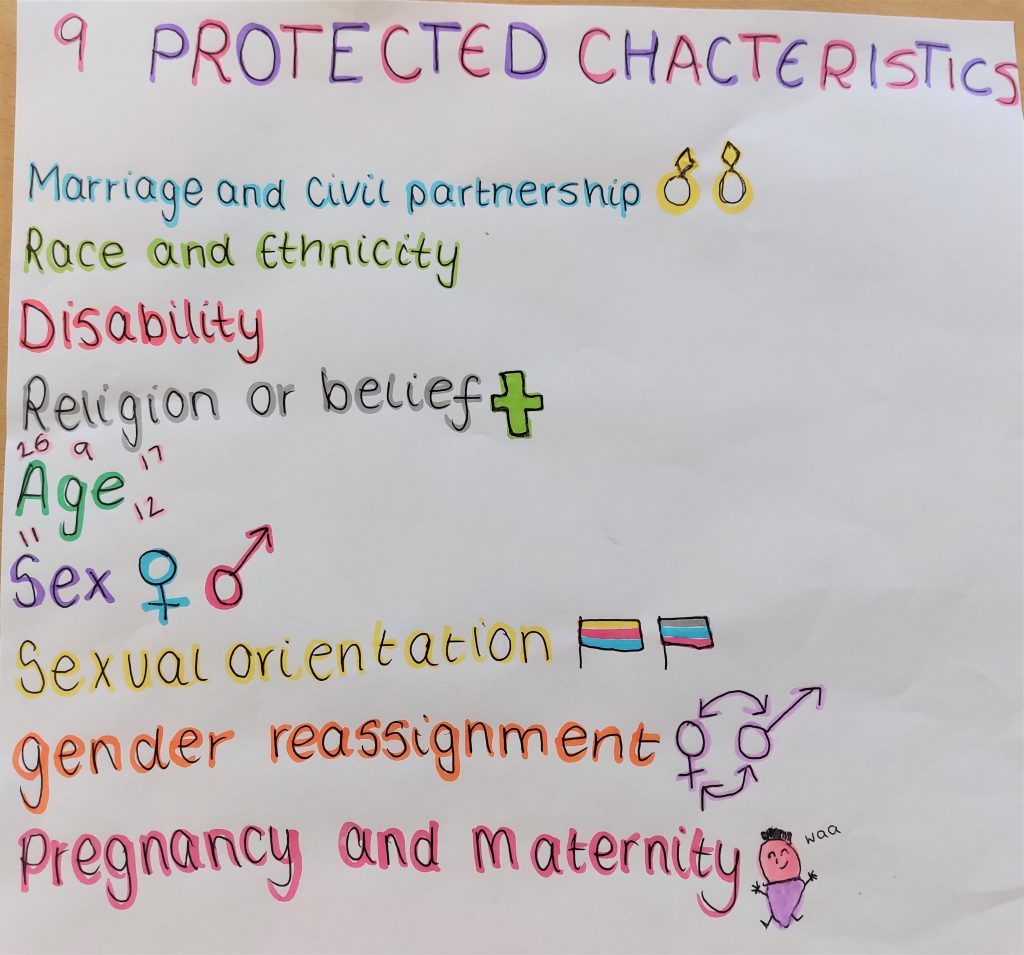
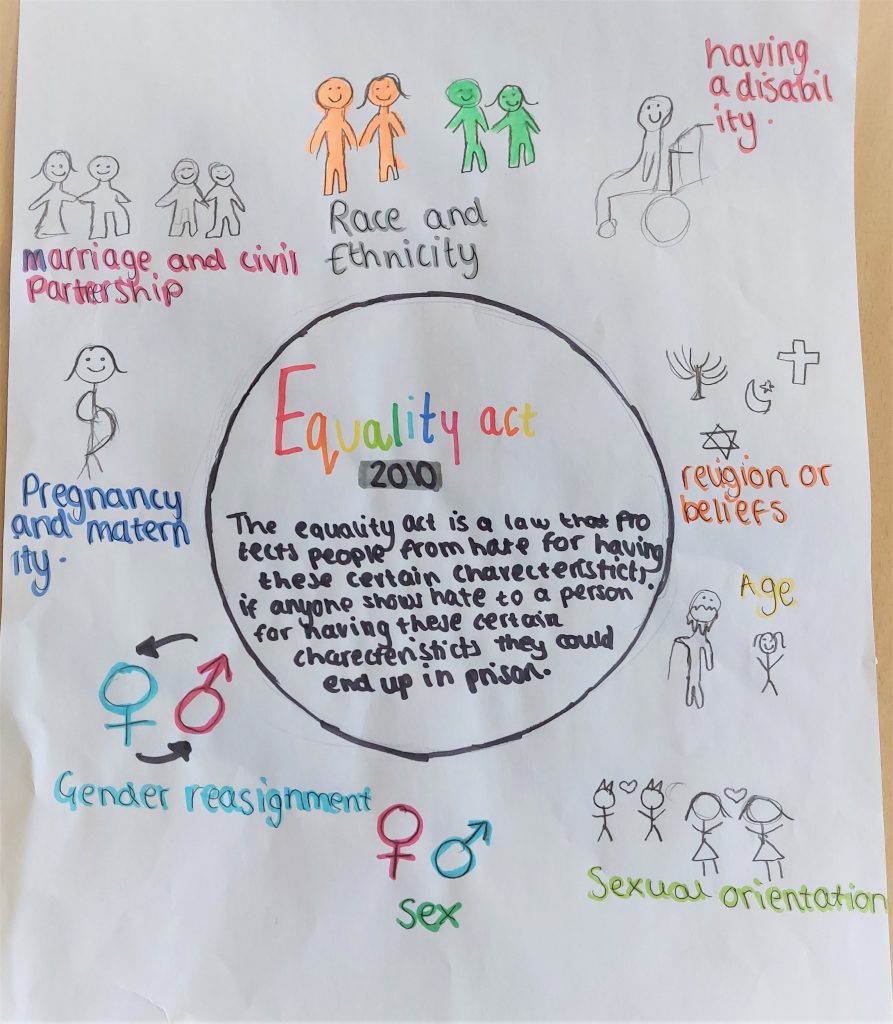
At Sandbach High School we seek to educate, equip and empower our young people, and give them a space to find their voice, power and passion; and in doing so we not only promote the British Values explicitly through PSHCE lessons, competitions and displays; but they are embedded in our teaching throughout all curriculum areas (which are highlighted in Schemes of Work) and promoted in our extra curricular activities. We recognise not only the importance of the students understanding what the British Values, and the protected characteristics are, but also recognising their importance and seeing them in practice in our day to day lives in this community.
Useful Links
Please see the links below for further information about the RSHE curriculum and the Citizenship curriculum.
Relationships, Sex and Health Education
Five ways to help your child
- Encourage your child to read/watch the news
- Encourage your child to engage with social media accounts such as Simple Politics, Mind, BBC, The Happy Newspaper, thinkuknow, child line
- Try to engage your child in honest dialogue about their life experiences on a regular basis. Talk to your child about their relationships and development
- Encourage your child to access age appropriate youtube content from channels such as Brook, Child Line, Amaze.org, Riseabove
- Encourage your child to express themselves and their reactions to issues in their lives and the things around them.